Workplace Safety Starts With Proper Lung Protection
Respiratory Fit Testing in Hot Springs National Park for employees required to wear respirators in hazardous environments
Occupational Medicine provides respiratory fit testing that verifies whether your respirator seals correctly to your face, preventing exposure to airborne contaminants like dust, chemicals, fumes, and biological hazards. This testing is required by OSHA for any employee who must wear a tight-fitting respirator as part of their job duties, and it must be repeated annually or whenever a different respirator model is used. Workers in manufacturing, healthcare, construction, laboratories, and industrial facilities throughout Hot Springs National Park depend on accurate fit testing to stay protected on the job.
The test measures whether air leaks around the respirator seal during normal breathing, talking, and head movements, using either qualitative methods that rely on taste or smell detection, or quantitative methods that measure actual particle counts inside and outside the mask. OSHA standards mandate this testing because even a small gap between the respirator and your skin can allow hazardous particles to bypass the filter entirely, rendering the protective equipment ineffective regardless of its filtration rating.
Schedule your fit test appointment to meet compliance requirements and verify your respiratory protection works as intended.
What Happens During a Fit Test
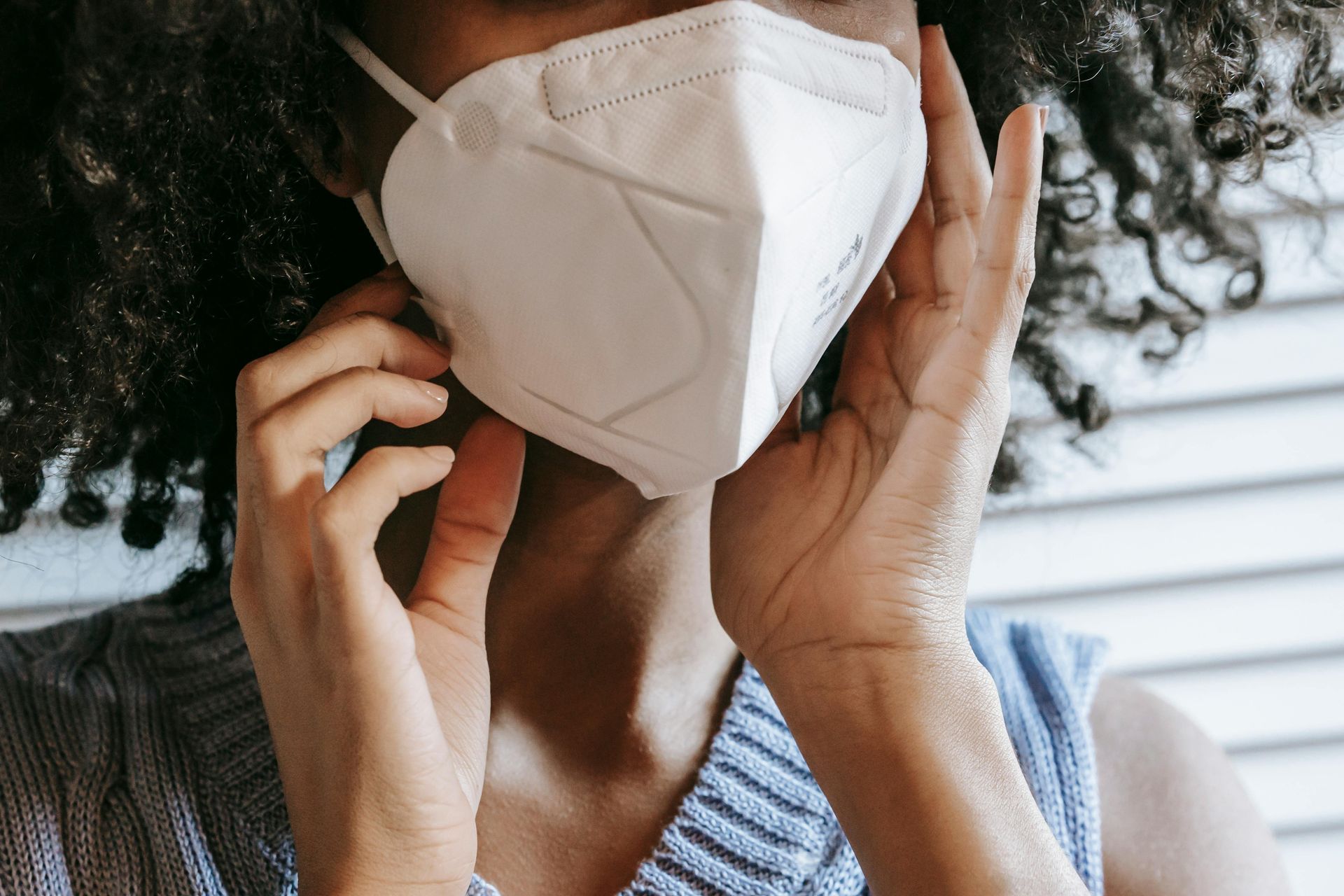
You wear your assigned respirator while performing a series of exercises including normal breathing, deep breathing, turning your head side to side, moving your head up and down, talking aloud, bending over, and returning to normal breathing. During qualitative testing, a hood is placed over your head and a test agent with a distinct taste or smell is sprayed into the air—if you detect the substance, the mask does not fit properly and a different size or model is tried. Quantitative testing uses a machine called a PortaCount that measures the ratio of particles outside the mask to particles that leak inside, providing a numerical fit factor that must meet minimum OSHA standards.
Once testing confirms a proper seal, you receive documentation specifying the exact make, model, and size of respirator that passed, which your employer keeps on file to demonstrate OSHA compliance during inspections. Occupational Medicine processes results immediately, so employees can return to work the same day with verified respiratory protection.
Testing also includes a review of any facial characteristics that might interfere with the seal, such as facial hair, scarring, or significant weight changes since the last test, and employees are advised on maintaining a proper seal during actual work conditions.
Questions Before Your Fit Test
Many employees wonder what to expect before arriving for respiratory fit testing, especially if it's their first time or if workplace requirements have changed.
What should I bring to my fit test appointment?
Bring your actual work respirator if you already have one assigned, along with any previous fit test records and a list of respirator models your employer has approved—if you don't have a respirator yet, testing can be performed with models available at the clinic to determine which size and style fit you correctly.
How does facial hair affect fit testing results?
Any facial hair that comes between the sealing surface of the respirator and your skin will prevent a proper seal, so employees required to wear tight-fitting respirators must be clean-shaven in the area where the mask contacts the face—OSHA does not allow fit testing or respirator use when facial hair interferes with the seal or valve function.
Why do I need a new fit test every year?
Your face shape can change due to weight gain or loss, dental work, scarring, or aging, and different respirator models or sizes may be introduced by your employer—annual testing verifies that your current respirator still seals properly and that no physical changes have compromised your protection.
Can I pass a fit test if I wear glasses?
Yes, but glasses must be worn during the test if you wear them at work, and the temples should not break the respirator seal—some respirators are designed with channels that accommodate eyewear without compromising the seal, and these options can be tested to find the best fit for your needs.
How long does respiratory fit testing take in Hot Springs National Park?
Most fit tests are completed in 15 to 20 minutes depending on whether qualitative or quantitative methods are used and how quickly an acceptable fit is achieved—same-day walk-ins are available, though scheduling an appointment reduces wait time during busy periods when multiple employers send workers for annual compliance testing.
Occupational Medicine coordinates fit testing with other required occupational health services, including pulmonary function tests, physical exams, and medical clearance evaluations, so employers can complete multiple compliance requirements in one visit. Contact the clinic to arrange individual or group testing for your workforce.